
The Telkom Netball League (TNL) is South Africa’s elite semi-professional netball competition; a vibrant display of athleticism, passion, and rising talent. But behind the bright lights, sharp passes and crowd-pleasing goals, there’s a silent struggle unfolding. A struggle rooted in a gap that’s not just tactical or physical but mental.
Power Week 1 brought more than just high-intensity matchups. It brought moments that made spectators pause. One thing that stood out starkly was the visible decline in shooters’ confidence during games. Many started strong, but after missing a few shots, their energy would visibly drop; shoulders slumping, eyes searching, balls being played back rather than taken to the post.
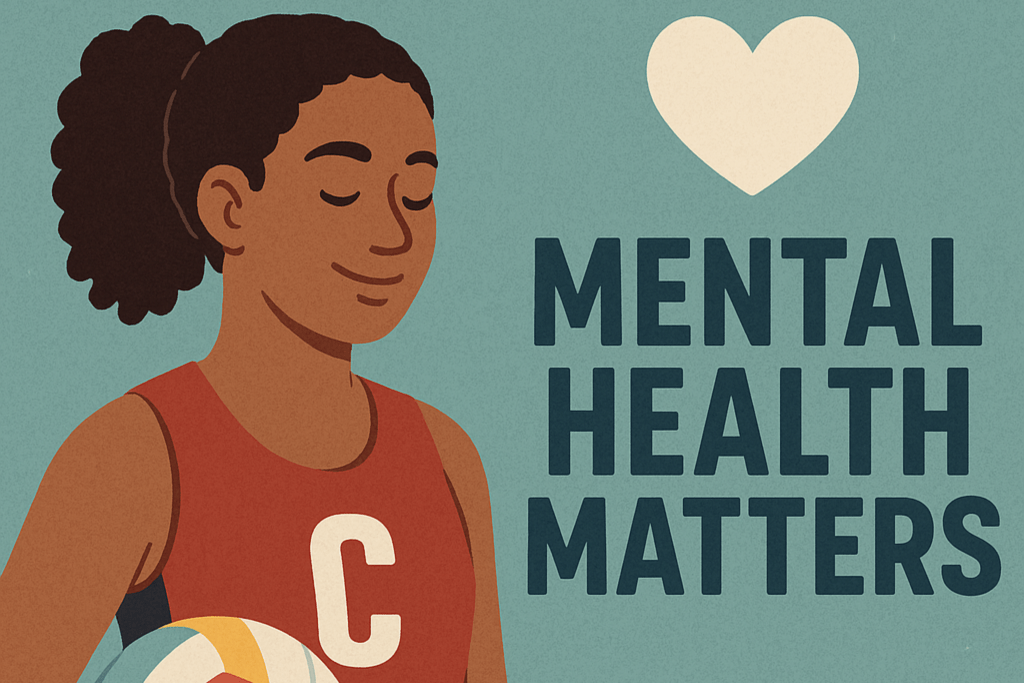
These aren’t just players having “bad quarters.” They’re exceptional athletes, skilled shooters who’ve earned their place on the national stage. But when faced with the pressure of cameras, crowds and expectations, their mental resilience often seems to buckle. It begs the question: who is helping them manage it?
Is there a sports psychologist available for every team?
I posed this question to TNL players and the answers were heartbreaking.
“We don’t have a sports psychologist, but we’d love one, netball is getting more recognition on social media. I do think a psychologist would have helped me especially a lot in the past with navigating through certain comments online”, one player shared honestly. Another explained, “Unless the teams have their own psychologist, then you aren’t provided with one. Most of us rely on psychologists from our universities if we’re lucky. But there’s nothing consistent coming from NSA or the league itself.”
A former shooter opened up about the toll it took on her:
“My last year for the xxxxxxx, I was praying the plane would crash on my way into Power Week. I couldn’t deal with missing shots and the pressure from the team and coaches. I eventually spoke to the team physio, and she pointed me to the psychologists at the High-Performance Centre in xxxxxx.”
Let that sink in. An athlete competing at the top of her game was battling inner turmoil so heavy, she was dreading going to the tournament. Her story reflects a broader reality: mental health support isn’t just lacking it’s neglected.
The stigma is real.
Despite netball gaining more recognition and media coverage, there’s still an unspoken rule: adapt or suffer in silence. The same former shooter explained, “You’re just expected to adapt or die. In other sports, psychology is used to the team’s advantage. But in netball, it’s almost looked down on.”
This stigma is dangerous. It keeps athletes quiet. It forces them to carry weight they were never meant to shoulder alone. It reinforces the idea that mental health isn’t part of performance when in fact, it’s central to it.
What needs to change?
If netball in South Africa wants to continue growing and producing world-class athletes, then mental wellbeing needs to be part of the conversation. Access to sports psychologists shouldn’t be a privilege for players linked to well-resourced universities. It should be a standard across all teams. From injury recovery to performance anxiety, social media scrutiny to identity beyond sport. Athletes deserve support that helps them thrive, not just survive.
To the players who were brave enough to share their stories: thank you. Your voices are powerful and to Netball South Africa and TNL leadership the ball is in your court.
It’s time to recognise that talent alone is not enough. Mental health support is not a luxury, it’s a necessity.
